
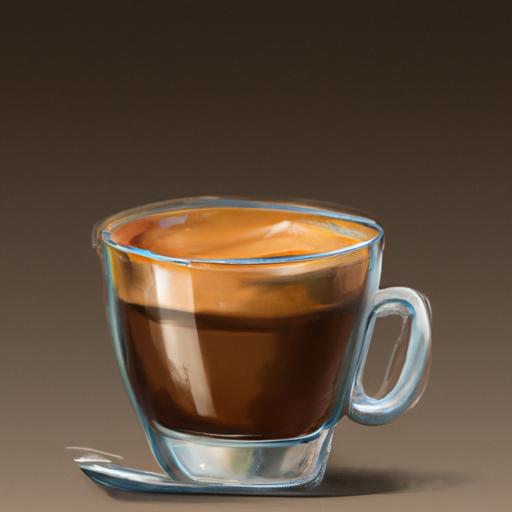
Do you want to learn how to make espresso like a barista? Having the perfect cup of espresso starts with the right ingredients and proper technique.
With our ultimate guide to making espresso, you’ll learn step by step how to make the perfect cup of espresso with the right equipment and the perfect grind.
From grinding the coffee beans to pouring the espresso and adding flavourings, this guide has everything you need to know to make the best espresso.
So, let’s get started and learn how to make espresso like the pros!.
Table of Contents
Short Answer
1.
Begin by grinding fresh espresso beans.
Aim for a fine grind that is slightly coarser than table salt.
2.
Place the ground espresso in the portafilter basket and tamp it down firmly.
3.
Place the portafilter in the espresso machine and lock it in.
4.
Turn the machine on and select the desired amount of espresso you would like to make.
5.
Wait for the espresso to be extracted into the cup.
6.
Serve and enjoy!.
What You Need to Make an Espresso
Making a great espresso requires more than just a few simple steps – it requires the right equipment.
Before you can begin to make espresso, you’ll need to have the following items on hand: 1.
Coffee grinder: If you plan to make espresso regularly, investing in a quality burr grinder is essential.
A good grinder will produce an even grind size, which is paramount to a good espresso shot.
2.
Espresso beans: Once you have the right grinder, you’ll need to find good quality espresso beans.
Look for beans that are fresh, fragrant, and roasted to a medium-dark level.
3.
Portafilter: The portafilter is the component of an espresso machine that holds the ground coffee.
It’s important to use a quality portafilter that is designed to provide an even distribution of water and pressure.
4.
Tamper: A tamper is a tool used to compress and level the ground coffee in the portafilter.
A good tamper will help ensure an even extraction and full flavor.
5.
Espresso machine: A quality espresso machine is essential for making a great espresso.
Look for a machine with a good boiler and pump system and adjustable temperature and pressure settings.
With the right equipment, you’ll be ready to make a great espresso at home.
Don’t forget to have all your tools and ingredients on hand before you start.
Once you have everything you need, you can move on to the next step – grinding the beans.
Grinding the Coffee Beans

Grinding your own coffee beans is the key to making an excellent cup of espresso.
Before you begin, you’ll need a quality grinder that is designed for espresso.
If you don’t have access to a grinder, you can purchase pre-ground espresso beans, but for the best results, you should invest in a good grinder.
Once you have your grinder, you’ll want to grind your beans to a medium-fine consistency.
This is typically somewhere between a coarse and a fine grind, and it is important to not go too fine or too coarse.
A medium-fine grind will allow the espresso to extract evenly and create a balanced cup.
If you grind too finely, the espresso may be overly bitter and astringent, while a too-coarse grind can result in an under-extracted shot.
Once you have the right grind size, it is important to grind the beans just before pulling a shot to ensure that the espresso is as fresh as possible.
Packing the Portafilter
Once you have ground your coffee beans to a medium-fine grind, the next step in making an excellent cup of espresso is packing the portafilter.
This is when you place the ground coffee into the portafilter basket and press it down firmly.
Properly packing the portafilter is essential for getting the best espresso possible.
To pack the portafilter, start by filling the basket with the freshly ground coffee.
Try to evenly distribute the coffee in the basket and make sure it is not too loosely or too tightly packed.
If it is too loose, the coffee will not be extracted properly, resulting in a weak espresso.
On the other hand, if it is packed too tightly, the water will not be able to pass through the grounds, resulting in an overly bitter espresso.
Once the basket is filled with the ground coffee, you can begin to tamp it down.
This is done by pressing down firmly on the grounds with a tamper.
It is important to use a consistent amount of pressure when tamping and use a straight up and down motion.
This will ensure that the grounds are evenly compressed and will result in a better extraction.
After the grounds are tamped down, you can attach the portafilter to the espresso machine.
Once the portafilter is in place, it is time to pull a shot.
This is when the water is forced through the grounds and the espresso is extracted.
With a bit of practice, you will be able to make a delicious espresso at home.
Attaching the Portafilter to the Espresso Machine

Attaching the portafilter to the espresso machine is a crucial step in making a perfect espresso.
To do this, you must first turn the espresso machine on and allow it to heat up.
Once the machine is hot, you can attach the portafilter to the grouphead on the espresso machine.
To do this, you’ll need to line up the portafilter with the grouphead and twist it firmly in place.
It’s important to make sure the portafilter is securely attached to the grouphead before you start pulling shots.
Once the portafilter is attached, you’re ready to start pulling shots.
Make sure to check that the portafilter is firmly attached to the grouphead before each shot to ensure a consistent espresso.
With a bit of practice, you’ll be able to pull the perfect espresso shot every time.
Pulling a Shot
When it comes to making a great cup of espresso, the key is to pull the perfect shot.
This is the process of extracting the espresso from the portafilter and into the cup.
To pull a shot, start by attaching the portafilter to the espresso machine.
Make sure the portafilter is securely locked into place before turning on the machine.
Once the machine is on, adjust the grind and the amount of coffee in the portafilter until you get the desired result.
You may need to adjust the grind a few times to get the perfect shot.
Once the grind and amount of coffee is set, begin pulling the shot.
This process can take anywhere from 15 to 25 seconds depending on the espresso machine.
During this time, the hot water is forced through the ground coffee and the espresso is extracted.
As the espresso is extracted, it should have a rich, golden-brown colour and a thick, velvety crema on top.
When the shot is finished, remove the portafilter from the machine and pour the espresso into a shot glass.
The espresso should be served immediately as it will lose its flavour and aroma over time.
Once the shot is poured, you can add any desired flavourings such as sugar or milk.
Pulling the perfect shot can take some practice, but with the right equipment and technique, anyone can make an excellent cup of espresso.
With each shot, take note of how the espresso looks and tastes, and adjust the grind and amount of coffee accordingly.
With a bit of practice, you’ll be able to make a delicious espresso at home in no time.
Pouring the Espresso

Once the espresso has been extracted, it’s time to pour it into a shot glass.
When pouring espresso, it’s important to use a steady hand and pour slowly.
This will help ensure that the espresso is properly distributed throughout the shot glass.
Start by gently pouring the espresso from the portafilter into the center of the shot glass.
Once the espresso has reached the desired level, stop pouring and let the espresso settle.
As the coffee grounds settle, the espresso should form a nice crema on top that will add flavor and texture to the coffee.
Once the espresso has cooled a bit, it’s ready to be enjoyed.
If desired, flavorings such as cocoa powder, sugar, or cinnamon can be added to the espresso at this point.
The espresso can also be mixed with heated milk to create a latte or cappuccino.
When pouring the heated milk, it’s important to use a pitcher with a spout and pour slowly in a circular motion to create a nice foam.
With a bit of practice, anyone can create a delicious espresso-based drink at home.
Adding Flavourings
Once you have brewed your espresso, you can add some flavourings to make it even more delicious.
Adding flavourings is a great way to enhance the taste of your espresso and make it more interesting.
Depending on your preference, you can add a variety of ingredients to your espresso, such as syrups, spices, milk, or cream.
For a classic espresso, you can add a shot of flavoured syrup.
Popular options include hazelnut, caramel, and vanilla.
You can also experiment with different spices, such as cinnamon, cardamom, or nutmeg, to add a unique flavour to your espresso.
If you are looking for a richer, smoother espresso, you can add some milk or cream.
Milk adds a creamy texture and a subtle sweetness to the espresso, while cream can add a rich and creamy flavour.
You can also try adding different types of milk, such as almond milk, coconut milk, or oat milk, for a unique flavour.
Finally, you can experiment with different types of sweeteners to add a touch of sweetness to your espresso.
Popular options include honey, agave syrup, or maple syrup.
You can also try adding a dash of liqueur, such as amaretto, for a unique twist.
Adding flavourings to your espresso can be a great way to make it even more delicious.
With a bit of experimentation, you can create unique and delicious espresso drinks that are sure to please.
Final Thoughts
Making a great espresso is an art form, but with the right knowledge and a few simple steps, anyone can make a delicious espresso at home.
With the ultimate guide to making espresso, you now have the tools to create a perfect cup of coffee every time.
So, grab your coffee beans and espresso machine, and get brewing!.